Shrinkflation, Supermarket Margins and Who Sets Grocery Prices
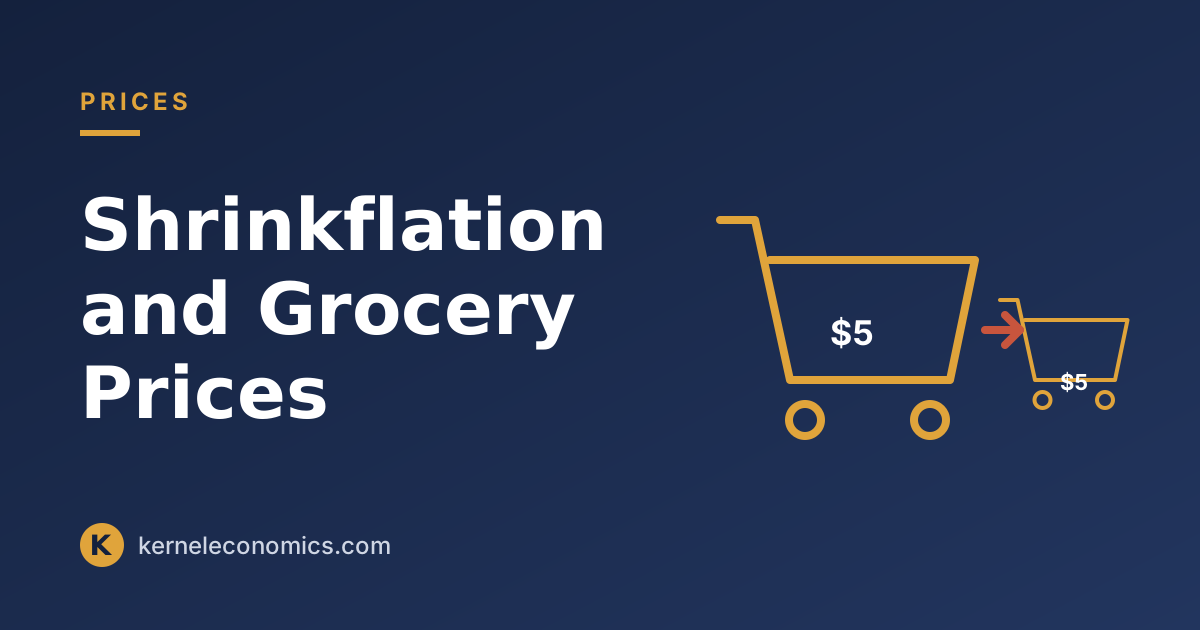
You pick up your usual block of chocolate, packet of biscuits or tub of yoghurt. The price is the same as last month. The packet looks the same too. Then you check the label and find there's less inside. That is shrinkflation: a price rise disguised as a smaller product.
It is one of the most annoying parts of the cost of living, partly because it feels sneaky. But to understand it, and to know when to be angry about it, it helps to step back and ask a bigger question: who actually sets grocery prices?
Why firms shrink instead of raise
Shoppers notice price tags much more than they notice grams. A biscuit packet going from $4.00 to $4.40 is obvious. A packet going from 250g to 225g at $4.00 is the same 11% rise per gram, but far fewer people spot it. Companies know this, so when their costs go up, shrinking the product is often the path of least resistance.
Shrinkflation isn't automatically gouging. If the cost of wheat, packaging, electricity and freight has really gone up, the product has to get more expensive somehow. The question is whether the rise matches the costs or goes beyond them.
Who sets the price?
A grocery price is built in layers. Farmers and manufacturers set wholesale prices. Supermarkets add their margin to cover rent, wages, logistics and profit. Then they decide on the shelf price, including specials and loyalty deals.
How much power each layer has depends on competition. Australia's supermarket sector is unusually concentrated. The ACCC's supermarkets inquiry, published in 2025, estimated that Woolworths has 38% of supermarket grocery sales nationally and Coles has 29%. ALDI has about 9% and the independents supplied by Metcash about 7%.
The ACCC described this as an oligopoly, a market with a few large players, "in which Coles and Woolworths have limited incentive to compete vigorously with each other on price." It also found that ALDI is an important check on prices for the products it sells, and that the big chains have a strong bargaining position with many suppliers.
Costs or margins?
The ACCC's finding on the big question was nuanced. It said most grocery price increases over the past five financial years were caused by rising costs across the economy, especially suppliers' production costs. But it also found that ALDI, Coles and Woolworths had increased their product and earnings margins over the same period, meaning that "at least some of the grocery price increases have resulted in additional profits."
That is the honest answer to "is it price gouging?" Mostly, prices went up because costs went up. But in a less competitive market, firms can pass on cost increases and add a little extra, and that is harder to do when a rival is ready to undercut you.
This matters for inflation more broadly. The RBA said in November that many firms are experiencing cost pressures and are raising prices or planning to, with higher fuel costs among the causes. Where competition is weak, those cost increases pass through to shoppers more fully and more quickly.
How to protect yourself
You can't change market structure on your own, but you can shop like an economist.
Use the unit price. Shelf labels in major supermarkets show a price per 100g, per litre or per unit. That is the number that catches shrinkflation, because it ignores packaging and tells you what you're really paying.
Compare across chains and brands. Price competition is strongest where there is an alternative, so the more shoppers switch, the stronger that pressure gets.
Be sceptical of specials. The ACCC found that promotions and loyalty programs can make it harder to judge whether you're getting a good deal. A "was" price is only useful if the product actually sold at that price for a meaningful time.
The bigger picture
Shrinkflation is a symptom, not the disease. The disease is a mix of real cost pressures, from fuel to wages to packaging, and a market where a small number of big players face limited pressure to absorb those costs. Policies that strengthen competition, like making it easier for new stores to open, matter for your grocery bill as much as anything the RBA does.
Sources
- ACCC, Supermarkets inquiry: Final report (2025)
- RBA, Statement by the Monetary Policy Board, 3 November 2026
Figures checked against these sources on 5 Nov 2026. Forecasts are the RBA's and can change.
Related posts
- The RBA Can't Fix Oil Prices. So Why Is It Acting?
- Why Your Pay Rise Doesn't Feel Like One
- How AI Data Centres Are Showing Up in Your Cost of Living